OmoroShoot briefRoll 037Ser.05
Risograph aesthetic photography reference
RecTC 00:00:00:00

Risograph

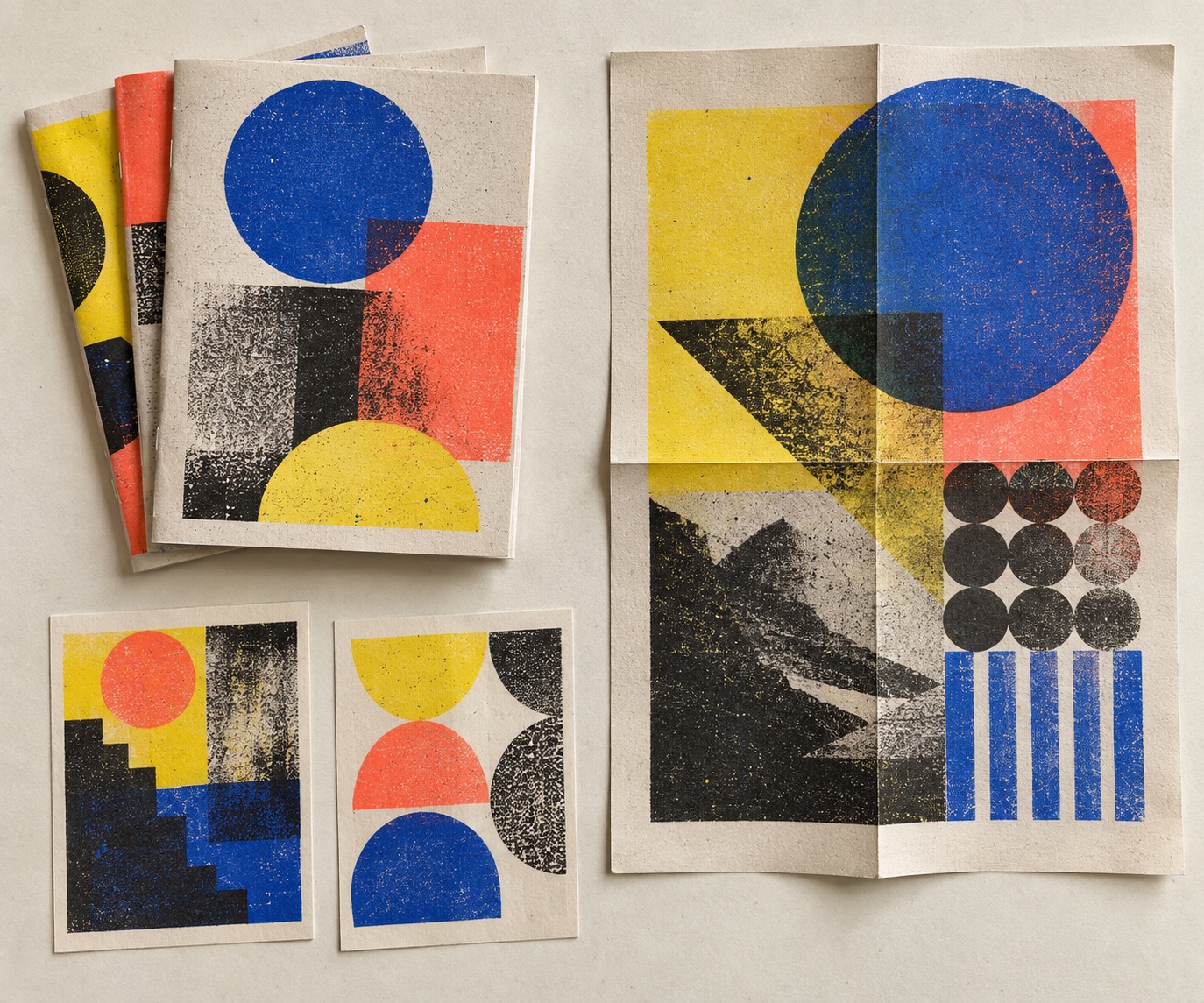
Two inks, one misalignment, and the ghost of a third color where they overlap

Roll 0375 frames0 / 5 shot
Frames00/05
risograph
SET

The setup

Shoot briefHD[risograph     ]00:00:00:00Stop ■
Brief Int(risograph___.BRF)

Risograph

01 LightFlat, even, slightly cool. The print surface should be legible without glare. Avoid directional light that creates hot spots on the paper. The texture is in the ink, not the illumination.
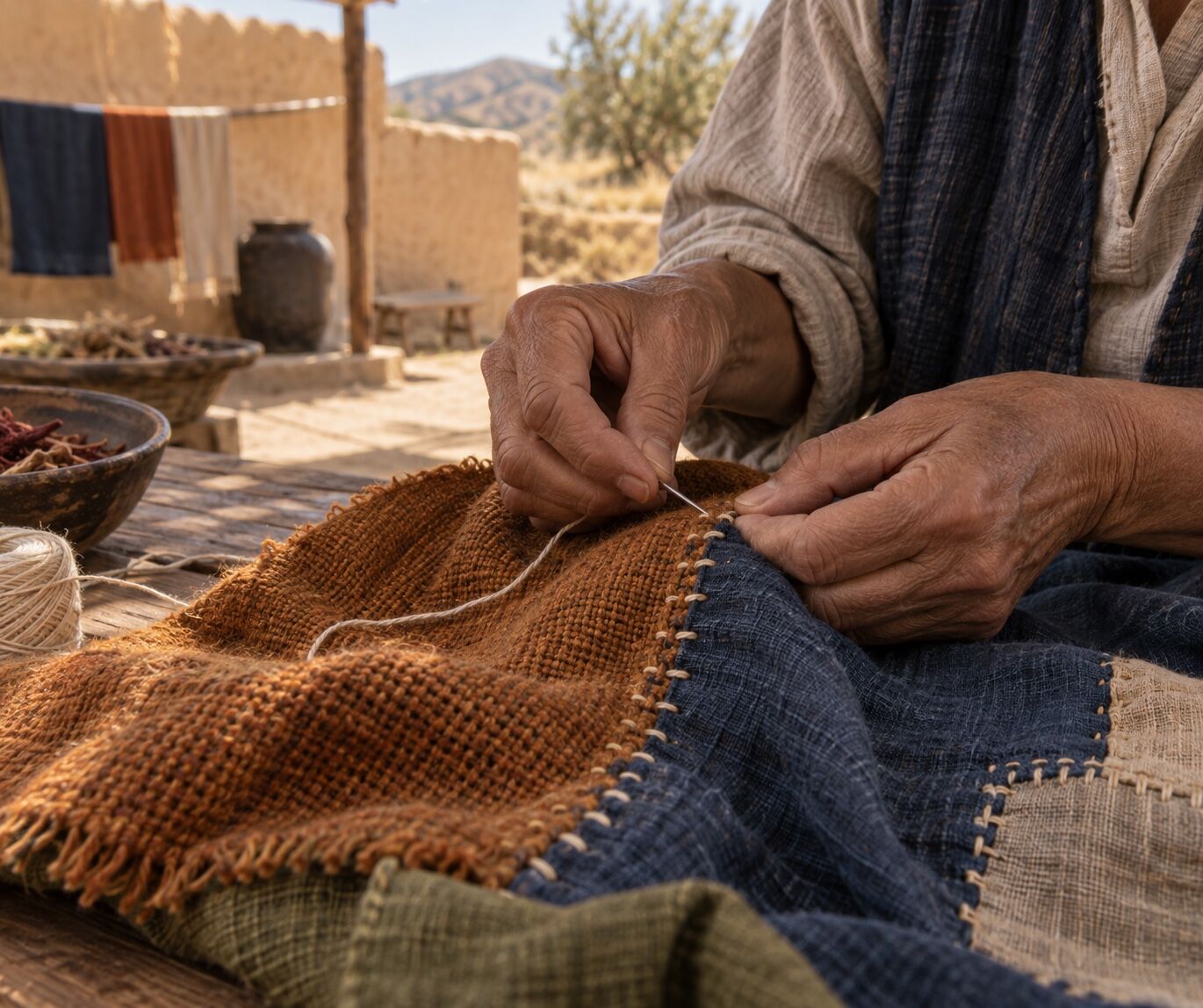
02 WardrobeWorkwear: aprons, rolled sleeves, ink-marked hands. The person is a technician, not a model.
03 LocationA small independent print studio with one or two Riso machines and shelves of spot-color ink drums
04 Palette
DIR

Director's note

Get close enough to see the halftone grain and the misregistration. Those are not flaws; they are the entire visual identity. If the print looks clean and sharp in your photograph, you are too far away or your focus is too soft. Show the texture of the process itself.

All 151 director’s notes, printable: Director’s Briefs, $8
VF

Viewfinder

Live

Four controls on the brief's own plate · the meter is real, so you can blow a frame

Risograph reference frame
Standby50mmf/5.6 · 1/125 · ISO 400

Running the list sets the camera for every shot in turn. Load your own photo to light and expose a frame you actually shot.

LGT

Light the set

3 lamps

Drag a lamp and watch the frame above change. The brief's own note is the preset

KeyThe light that makes the pictureMediumEye level
FillHow far into shadow you can seeHard, closeEye level
BackRound at the front, where it is just another fillOffEye level
On the brief
CS

Contact sheet

00 / 12

Nothing on the sheet yet. Set the camera, then take a frame.

SEQ

Shot list

00 / 05

Tap a pad to mark the frame shot · saved on this device

Extreme close-up of a printed sheet still warm from the drum, showing halftone dots and the slight blur of misregistration where fluorescent pink meets tealdetail100mmsoft focus
Medium shot of a printmaker feeding paper into a compact Riso machine in a small studio, ink-stained fingers, stacked prints drying on a rack behind hersetup50mm
Flat-lay of five prints from the same run, each slightly different in registration and ink density, the beautiful inconsistency of the process laid bareoverhead50mm
Close-up of a single printed image where the overlap of two transparent spot colors creates an unexpected third: blue over yellow producing a murky, luminous greendetail100mm
Wide shot of a zine fair table covered in risograph-printed booklets, posters, and postcards, the limited palette and grain visible even at arm's lengthwide24mm
Rolling
Take it to set: all 151 briefs as one PDF · $8
LOC

Locations

04
A small independent print studio with one or two Riso machines and shelves of spot-color ink drumsA zine fair or art book market in a warehouse or community spaceA designer's desk where risograph prints are pinned to a corkboard alongside color tests and registration guidesA letterpress or print co-op where risograph sits alongside older reproduction technologies
REF

Explore the aesthetic

Style guideColor palette
DOC

About this brief

How do I photograph the Risograph aesthetic?

Two inks, one misalignment, and the ghost of a third color where they overlap.

Get close enough to see the halftone grain and the misregistration. Those are not flaws; they are the entire visual identity. If the print looks clean and sharp in your photograph, you are too far away or your focus is too soft. Show the texture of the process itself.

Director's note

What shots should I get for a Risograph photo shoot?

Leave with every frame on this list.

Shot list

  1. Extreme close-up of a printed sheet still warm from the drum, showing halftone dots and the slight blur of misregistration where fluorescent pink meets teal
  2. Medium shot of a printmaker feeding paper into a compact Riso machine in a small studio, ink-stained fingers, stacked prints drying on a rack behind her
  3. Flat-lay of five prints from the same run, each slightly different in registration and ink density, the beautiful inconsistency of the process laid bare
  4. Close-up of a single printed image where the overlap of two transparent spot colors creates an unexpected third: blue over yellow producing a murky, luminous green
  5. Wide shot of a zine fair table covered in risograph-printed booklets, posters, and postcards, the limited palette and grain visible even at arm's length
What lighting works for Risograph photography?

Flat, even, slightly cool. The print surface should be legible without glare. Avoid directional light that creates hot spots on the paper. The texture is in the ink, not the illumination.

Light

Where should I shoot Risograph photography?

Scout these before anything else.

Locations

  1. A small independent print studio with one or two Riso machines and shelves of spot-color ink drums
  2. A zine fair or art book market in a warehouse or community space
  3. A designer's desk where risograph prints are pinned to a corkboard alongside color tests and registration guides
  4. A letterpress or print co-op where risograph sits alongside older reproduction technologies
What wardrobe works for Risograph photography?

Workwear: aprons, rolled sleeves, ink-marked hands. The person is a technician, not a model.

Wardrobe

Omoro Studio · Creative System

Generate shoot references in the Risograph style

Omoro reads your visual references and generates images in your exact aesthetic. Build a mood board before the shoot or create composite references for your client.

Join the waitlist