OmoroShoot briefRoll 033Ser.05
Naïve Design aesthetic photography reference
RecTC 00:00:00:00

Naïve Design

Photograph the system in the world it was printed for: a billboard, a can, a menu on a table, a poster on a wall

Roll 0336 frames0 / 6 shot
Frames00/06
naive design
SET

The setup

Shoot briefHD[naive design  ]00:00:00:00Stop ■
Brief Int(naive-design.BRF)

Naïve Design

01 LightPlain daylight or a soft studio wash. No rim light, no colour gels. The ink texture has to read, so keep the light even and let the paper's tooth and the creases show.
02 WardrobeNobody in frame. The objects are the cast: cans, boxes, books, menus, tickets and posters carrying the marks.
03 LocationA city street with a billboard or a fly-posted wall
04 Palette
DIR

Director's note

One mark per surface, printed rough, with the paper doing most of the work. Keep the palette to six inks and never mix a scene: a glyph, a symbol, a caption in tiny mono, then stop. The grain, the creases and the imperfect coverage are the evidence that it was made by hand and run through a press. If it starts to look like an illustration with characters and a story, it has left the system.

All 151 director’s notes, printable: Director’s Briefs, $8
VF

Viewfinder

Live

Four controls on the brief's own plate · the meter is real, so you can blow a frame

Naïve Design reference frame
Standby50mmf/5.6 · 1/125 · ISO 400

Running the list sets the camera for every shot in turn. Load your own photo to light and expose a frame you actually shot.

LGT

Light the set

3 lamps

Drag a lamp and watch the frame above change. The brief's own note is the preset

KeyThe light that makes the pictureSoft, farEye level
FillHow far into shadow you can seeHard, closeEye level
BackSeparation from the backgroundSoft, farHung high
On the brief
CS

Contact sheet

00 / 12

Nothing on the sheet yet. Set the camera, then take a frame.

SEQ

Shot list

00 / 06

Tap a pad to mark the frame shot · saved on this device

Wide shot of a street billboard split into two sheets: a cream panel carrying one huge emerald brush scribble and a small red tomato stamp, a tomato-red panel carrying one black looped glyph, wheat-paste creases visiblewide24mm
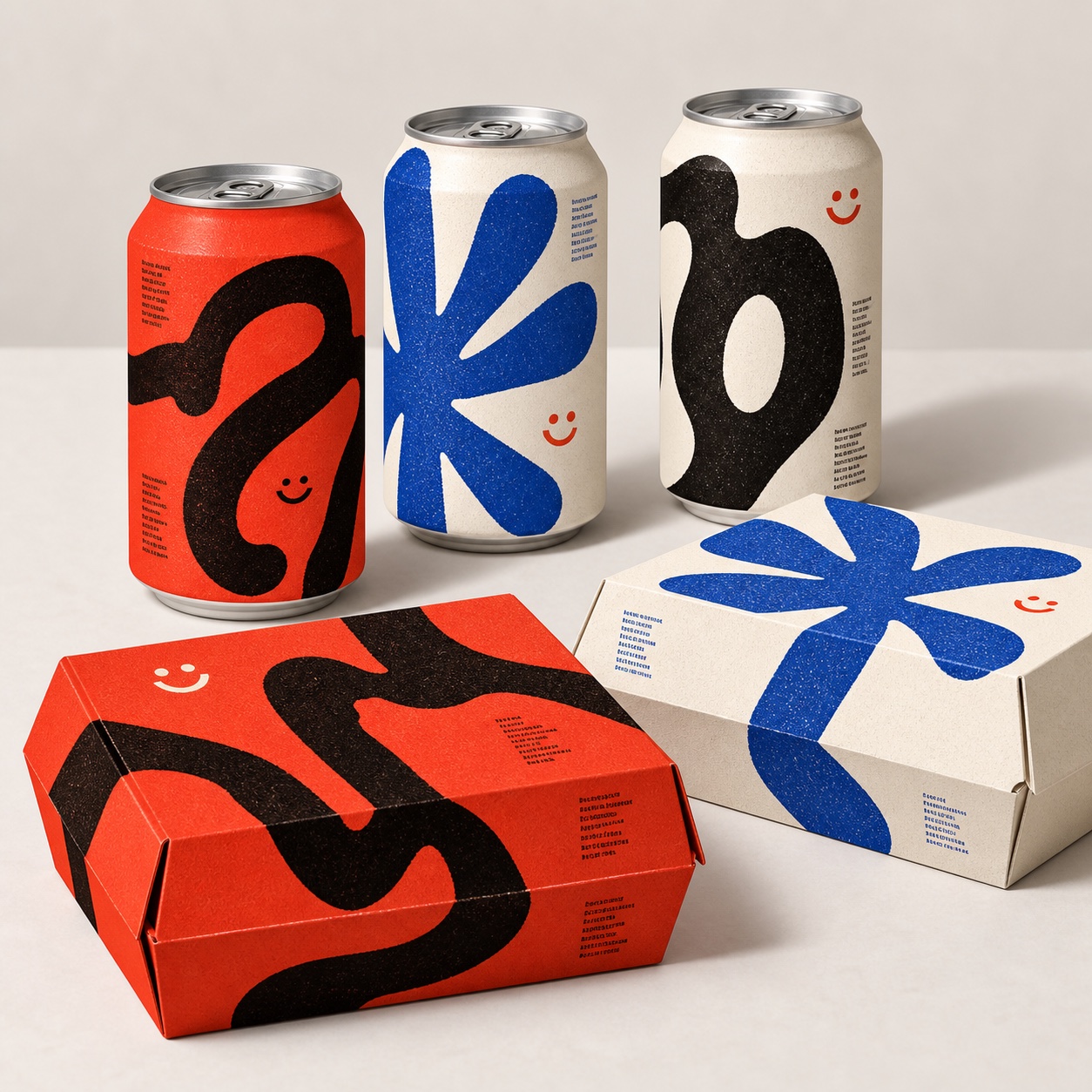
Product still of three cans and two folding boxes on a paper ground, each in one flat colour with a single oversized glyph and a small smiley, screenprint grain on the inksetup50mm
Overhead of a stack of books in sulfur yellow, cobalt and tomato with one black scribble per cover, beside a folded poster and a ticket stub carrying the same marksoverhead50mm
Angled shot of a cobalt shoebox with a tomato spiral on the lid, opened to show cream tissue printed with rough emerald squigglessetup50mm
Table shot of a café menu on cream card, green brush marks and a smiling tomato, with real cutlery, a glass and a plate at the edges of the framesetup50mmthru glass
Straight-on shot of three wheat-pasted posters on a peeling wall, tomato, sulfur and cream, each with one glyph and nothing elsesetup50mm
Rolling
Take it to set: all 151 briefs as one PDF · $8
LOC

Locations

04
A city street with a billboard or a fly-posted wallA paper-grounded product tableA café table with the menu in placeA bookshop counter or a print studio bench
REF

Explore the aesthetic

Style guideColor palette
DOC

About this brief

How do I photograph the Naïve Design aesthetic?

Photograph the system in the world it was printed for: a billboard, a can, a menu on a table, a poster on a wall.

One mark per surface, printed rough, with the paper doing most of the work. Keep the palette to six inks and never mix a scene: a glyph, a symbol, a caption in tiny mono, then stop. The grain, the creases and the imperfect coverage are the evidence that it was made by hand and run through a press. If it starts to look like an illustration with characters and a story, it has left the system.

Director's note

What shots should I get for a Naïve Design photo shoot?

Leave with every frame on this list.

Shot list

  1. Wide shot of a street billboard split into two sheets: a cream panel carrying one huge emerald brush scribble and a small red tomato stamp, a tomato-red panel carrying one black looped glyph, wheat-paste creases visible
  2. Product still of three cans and two folding boxes on a paper ground, each in one flat colour with a single oversized glyph and a small smiley, screenprint grain on the ink
  3. Overhead of a stack of books in sulfur yellow, cobalt and tomato with one black scribble per cover, beside a folded poster and a ticket stub carrying the same marks
  4. Angled shot of a cobalt shoebox with a tomato spiral on the lid, opened to show cream tissue printed with rough emerald squiggles
  5. Table shot of a café menu on cream card, green brush marks and a smiling tomato, with real cutlery, a glass and a plate at the edges of the frame
  6. Straight-on shot of three wheat-pasted posters on a peeling wall, tomato, sulfur and cream, each with one glyph and nothing else
What lighting works for Naïve Design photography?

Plain daylight or a soft studio wash. No rim light, no colour gels. The ink texture has to read, so keep the light even and let the paper's tooth and the creases show.

Light

Where should I shoot Naïve Design photography?

Scout these before anything else.

Locations

  1. A city street with a billboard or a fly-posted wall
  2. A paper-grounded product table
  3. A café table with the menu in place
  4. A bookshop counter or a print studio bench
What wardrobe works for Naïve Design photography?

Nobody in frame. The objects are the cast: cans, boxes, books, menus, tickets and posters carrying the marks.

Wardrobe

Omoro Studio · Creative System

Generate shoot references in the Naïve Design style

Omoro reads your visual references and generates images in your exact aesthetic. Build a mood board before the shoot or create composite references for your client.

Join the waitlist