Structure signals a system was designed; chaos signals something was let loose. This axis is usually read as competence versus energy. Wabi-Sabi leans chaotic, Luxury Minimal stays closer to structured.
Analog carries the trace of a hand; digital carries the precision of a system. It is usually the first thing a viewer clocks about how something was made. Luxury Minimal leans digital, Wabi-Sabi stays closer to analog.
Organic feels grown; geometric feels drawn. It is the difference between a form that occurred and one that was decided. Luxury Minimal leans geometric, Wabi-Sabi stays closer to organic.
Futuristic points forward; nostalgic points to a specific remembered moment. One promises what is next, the other that something familiar is still true. Wabi-Sabi leans nostalgic, Luxury Minimal stays closer to futuristic.
Wabi-Sabi vs Luxury Minimal: 62% affinity (Partial overlap)
Where they split: Wabi-Sabi leans chaotic, Luxury Minimal stays closer to structured. Also diverging: Analog vs Digital (45% gap), Organic vs Geometric (45% gap), Futuristic vs Nostalgic (40% gap). Where they agree: both lean minimal.
Blend with intent: Wabi-Sabi and Luxury Minimal share real ground, but the gaps above need a deliberate choice, not an accident.
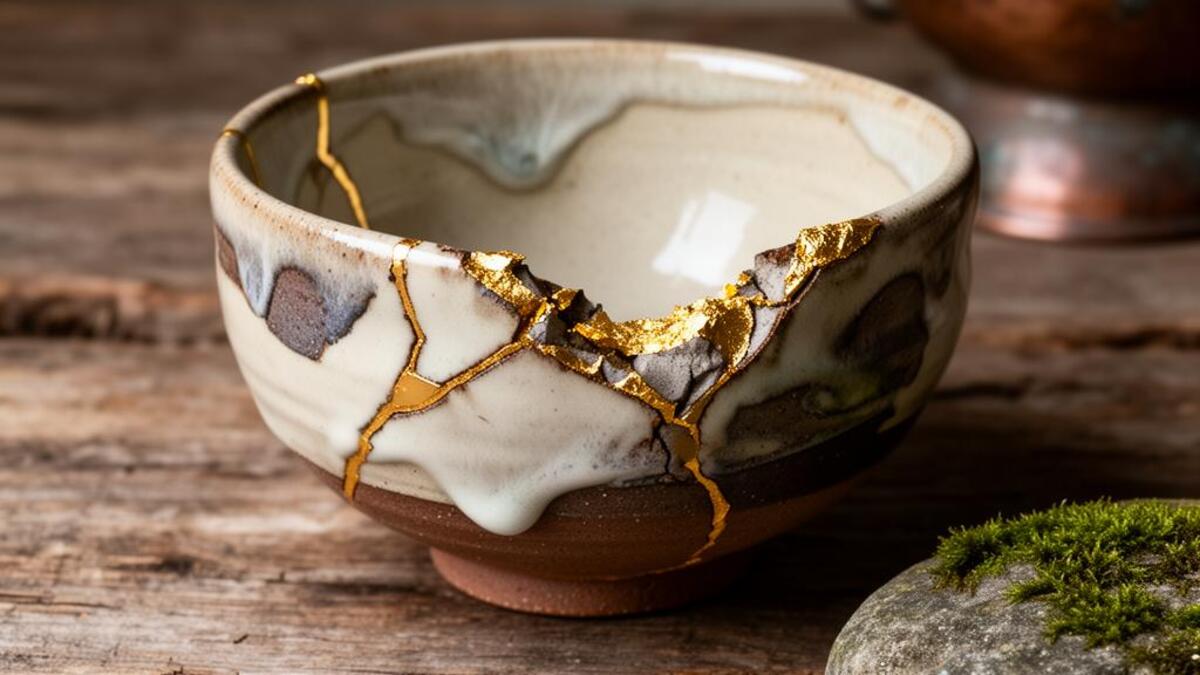
Japanese beauty of imperfection: weathered surfaces, asymmetry, and organic decay
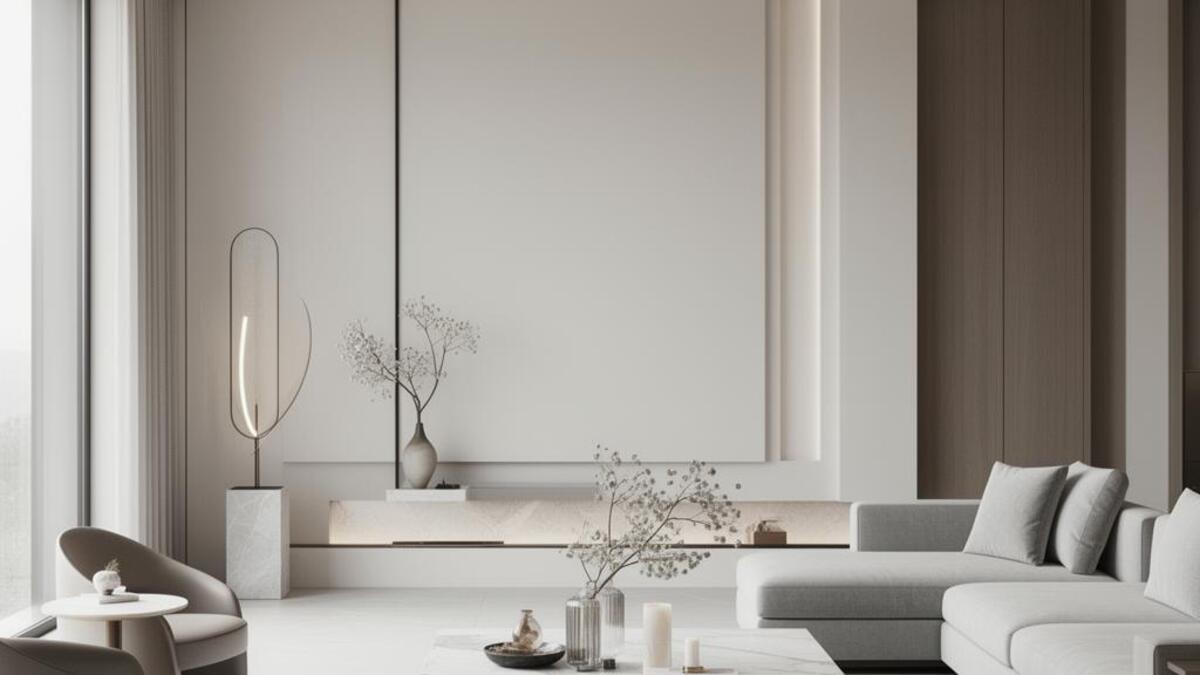
Full style guide →Restrained opulence with negative space, whisper-quiet palettes, and premium materials
Full style guide →