When to use it
- A cultural identity led by abstract form
- A composition that needs tension without visual clutter
- A visual sequence exploring balance and motion
Floating geometric forms, strong diagonals and open white space turn a restrained primary palette into a study of weight, tension and movement.
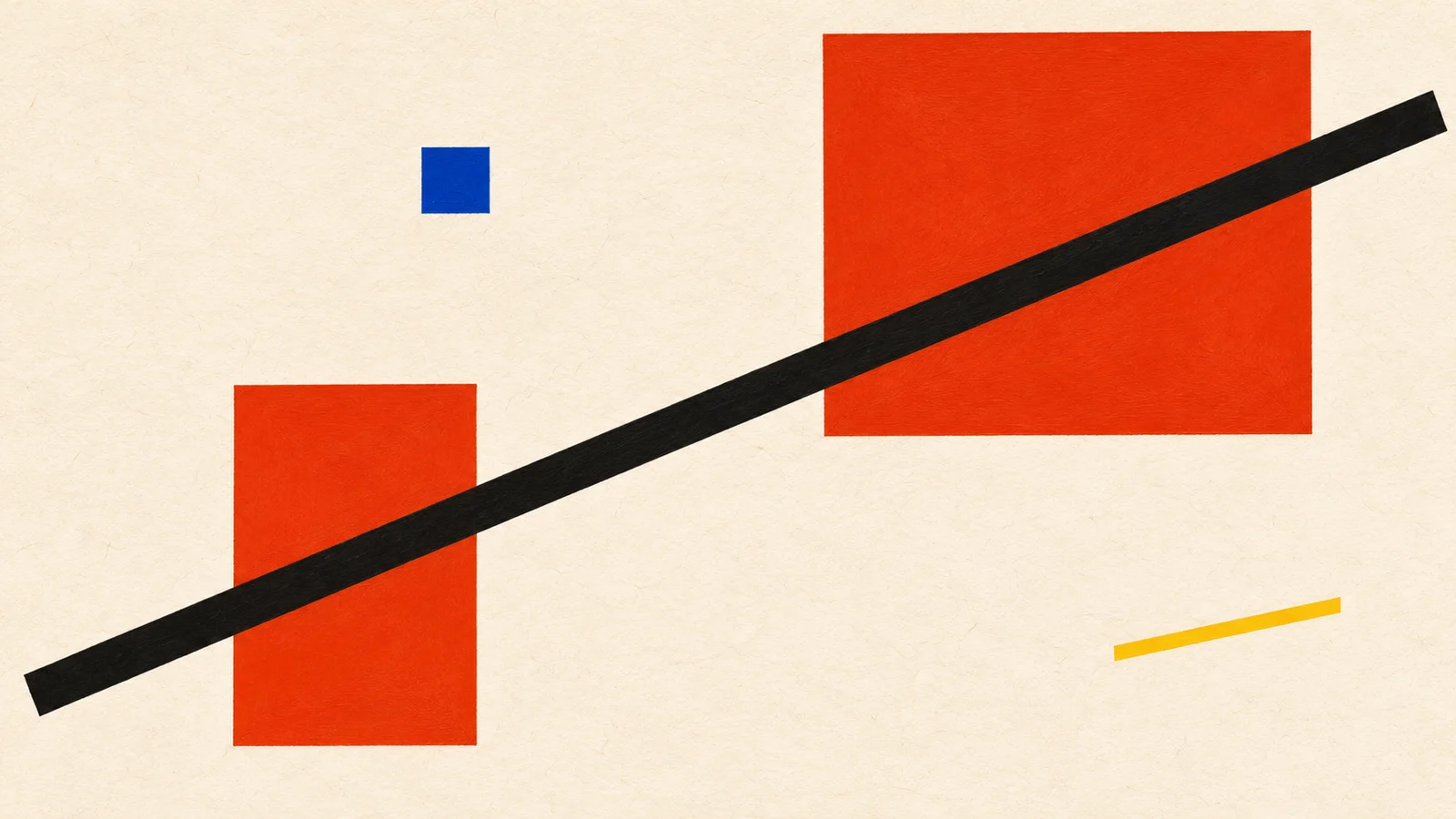
Floating geometric forms, strong diagonals and open white space turn a restrained primary palette into a study of weight, tension and movement.
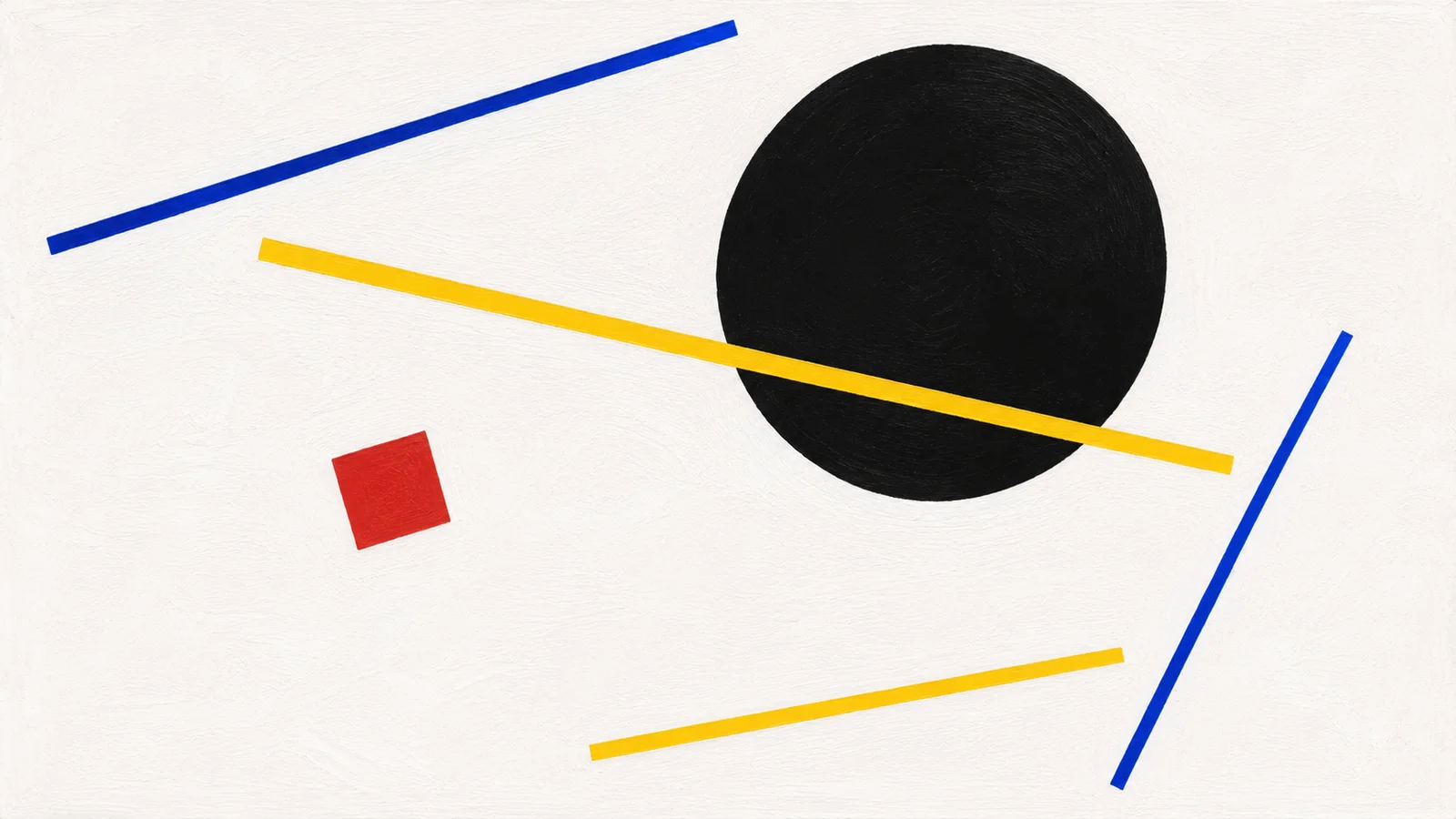
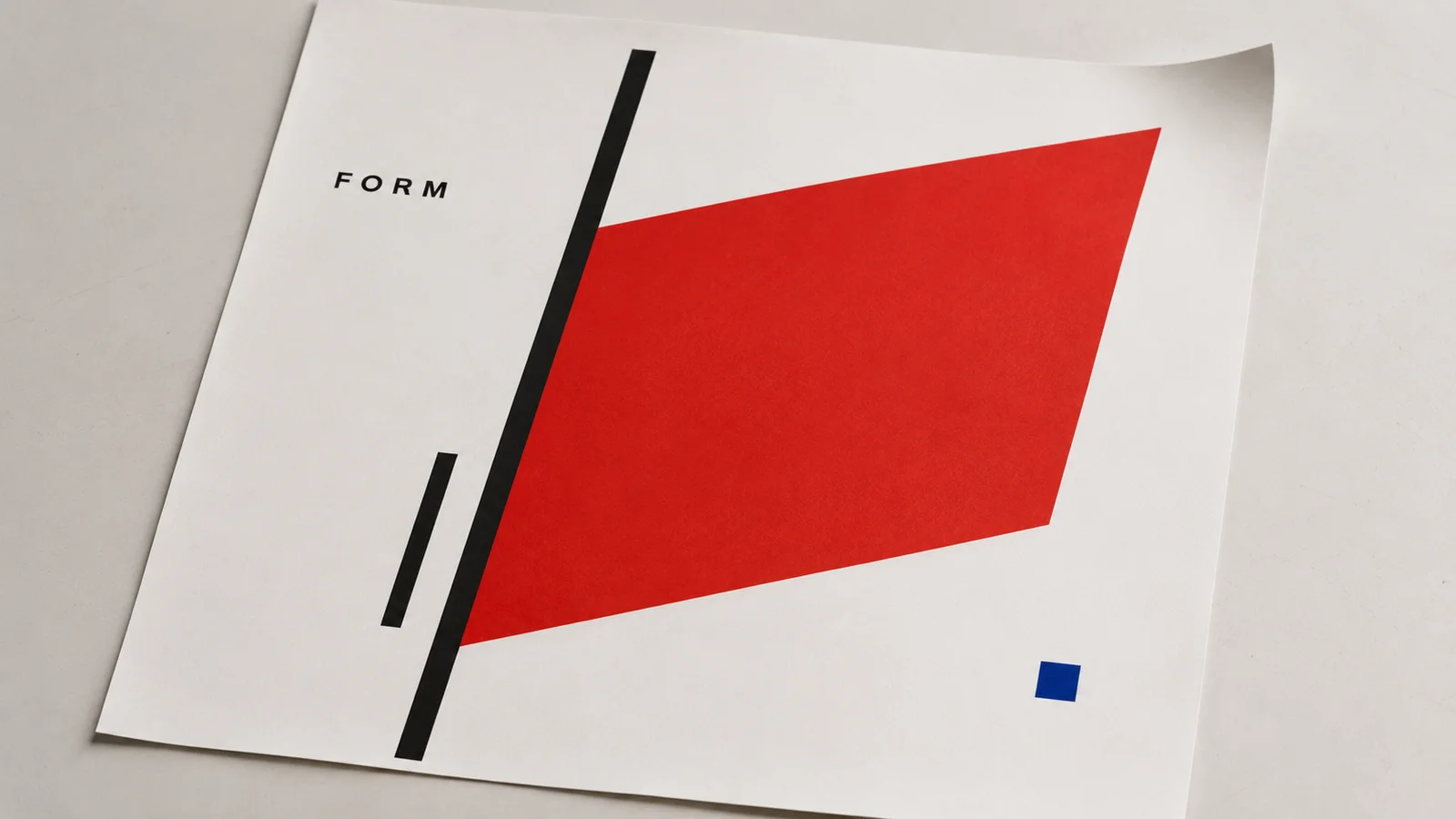
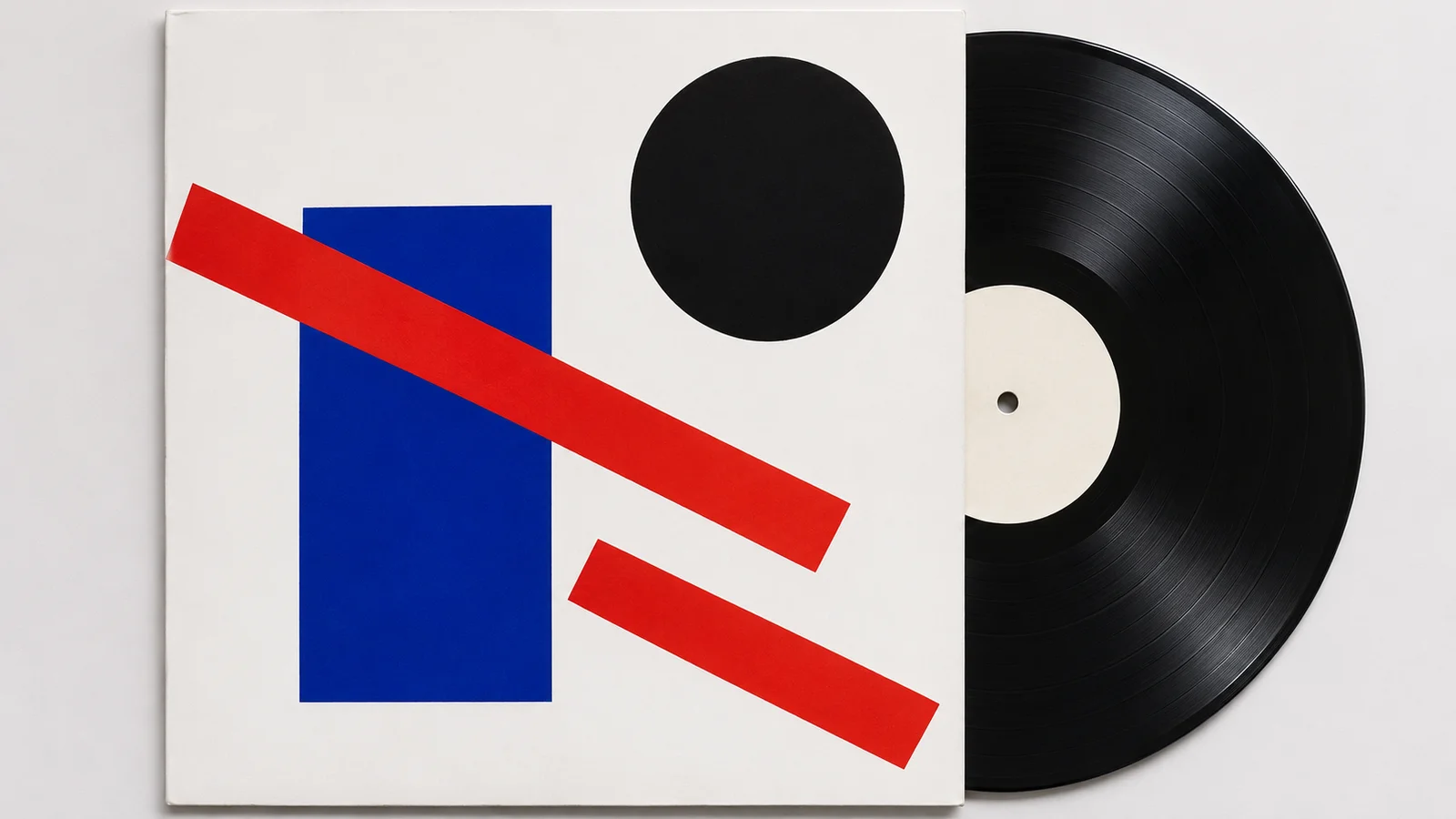
What it is, when it works, who it is for, and where it already exists.
Record 038-SU - when it works, who it is for, what it looks like
Where Suprematism came from, what makes it recognisable, and the fingerprint it leaves.
1915 onward · Russian avant-garde
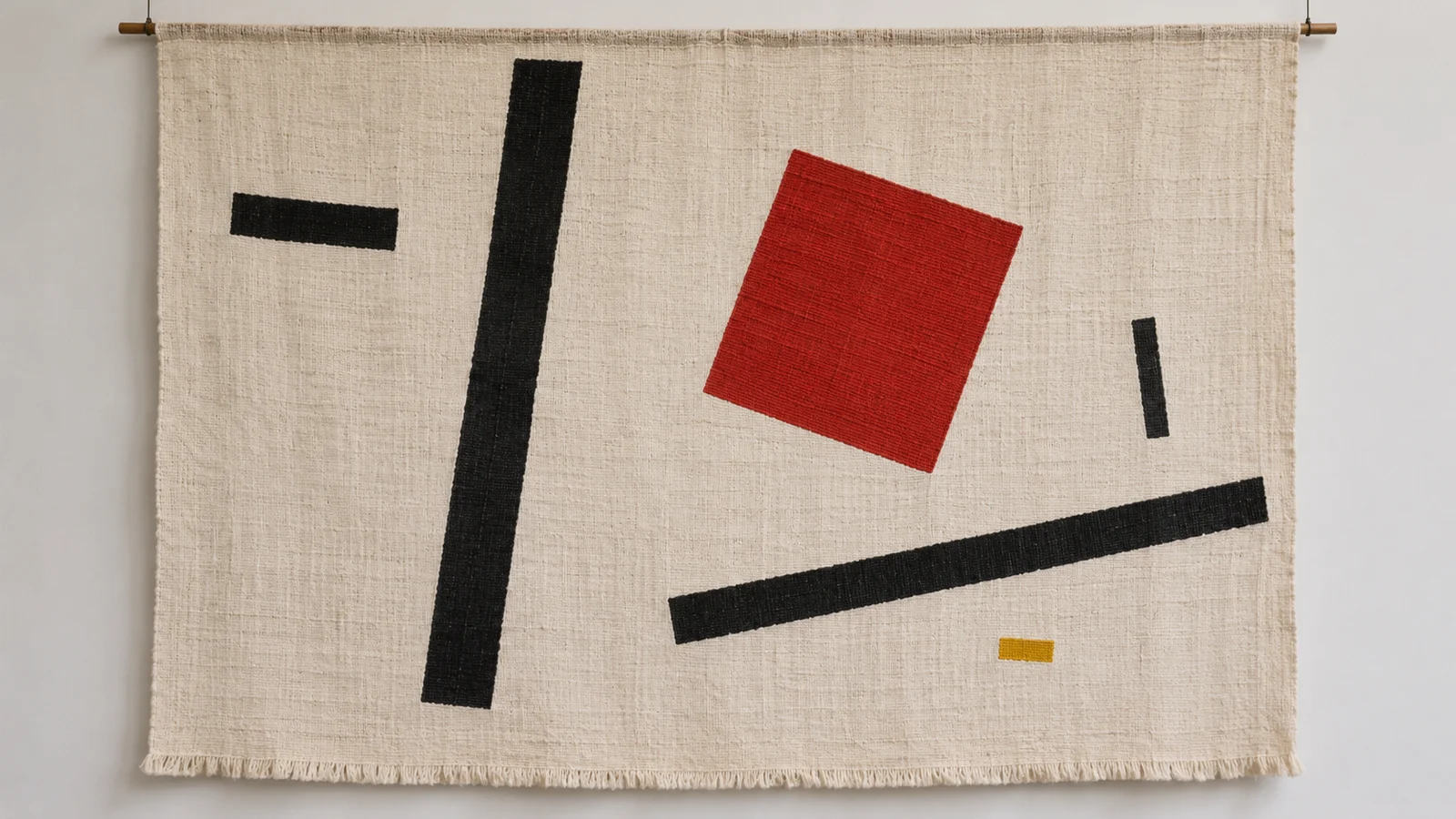
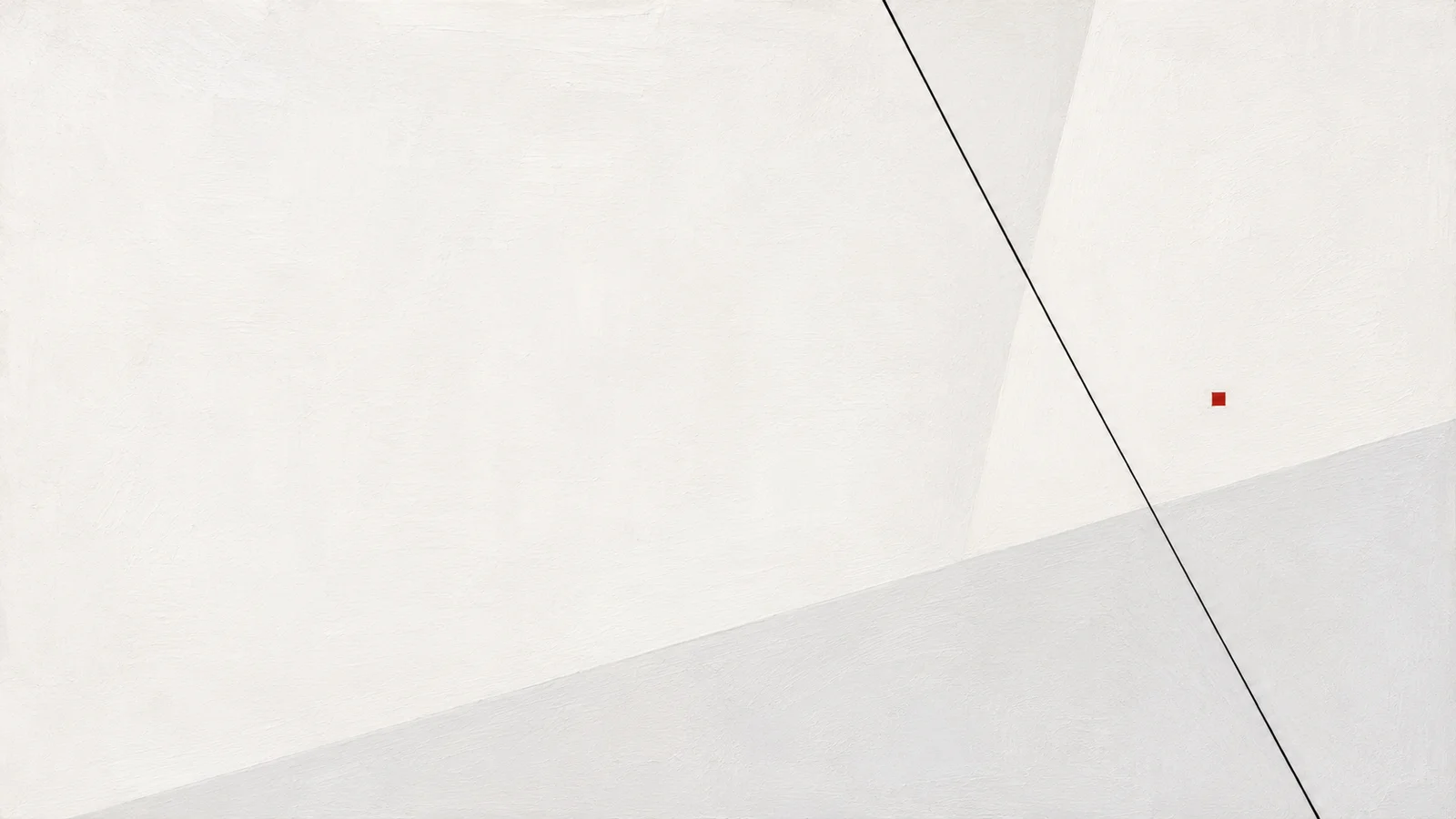
Kazimir Malevich introduced Suprematism in 1915 as nonobjective painting: geometric form and color could operate without depicting objects. The movement placed sensation and spatial relationships at the center of the picture.
Squares, circles and bars appear suspended rather than anchored to an illustrative scene. In contemporary applications, retain the tension between forms and empty space. Diagonal typography and functional propaganda layouts belong more directly to Constructivism; a primary palette alone does not make an image Suprematist.
Research informing this technique
“A few shapes can reorganize an entire field.
The visual DNA: what makes it recognisable
The definitive color scheme for this aesthetic
The colour of the styles sitting closest to this one
Click any prompt row to edit. Copy uses your edited text.
Original Suprematist nonobjective composition: floating squares
Visual cuescircles and bars; strong diagonals, optical balance and abundant active white space; restrained red, blue, yellow and black; flat matte color with precise edges. Avoid copied historical compositions, illustrative objects, propaganda typography and decorative grids.
Paste as-is, or add your own subject.
Photograph: tilted squares, filling the frame.
SettingSet in a setting of canvas. Shot wide, the whole scene with room around it, in the style's own light, as the brief describes it.
DetailKeep crossing bars in the frame.
StyleStyle: Original Suprematist nonobjective composition: floating squares, circles and bars; strong diagonals, optical balance and abundant active white space; restrained red, blue, yellow and black; flat matte color with precise edges. Avoid copied historical compositions, illustrative objects, propaganda typography and decorative grids..
PaletteColour palette #F6F3E9 #171717 #E73425 #2454BE #F2CA28.
FrameComposed for a 16:9 landscape frame.
RulesPhotographic, not an illustration. No text, no logos, no watermark.
The whole record as a portable skill for Claude, ChatGPT, Gemini, image and video models, or a human brief
The whole record, compiled into a skill another system can work inside: lineage, axes, palettes, type, materials, photography, verdicts and a critique checklist. Nothing is generated; it is the dossier, restructured.
The record applied to your project. The record's kit is free; your brand, references and plates come with membership
01 · Hero application02 · Material and finish03 · Palette in context04 · Photography direction
Whether to use it, what it costs to do properly, and where it stands right now.
Two written calls, seven meters, and when to walk away
Start with one dominant axis. Judge the empty spaces as carefully as the shapes. Adding more geometry rarely repairs weak balance.
Start with one dominant axis. Judge the empty spaces as carefully as the shapes. Adding more geometry rarely repairs weak balance.
A small set of flat shapes can be drawn and printed with standard tools.
Few elements leave every angle, interval and proportion exposed.
Clean edges and optical balance matter more than elaborate materials.
Nonobjective form deliberately removes recognizable narrative cues.
A specialist visual direction rather than a default identity treatment.
The underlying composition and material techniques can be renewed without copying a fixed surface.
A small set of flat shapes can be drawn and printed with standard tools.
A Pro feature: origins, practitioners, and pitfalls
Neighbours, cross-references, blends, and the questions people ask.
Connected across the creative knowledge graph
Suprematism centers nonobjective form and feeling. Constructivism more directly connects visual construction to communication, production and social purpose. Their geometric vocabularies overlap, but their aims differ.
No. Black, white and a single accent can be enough. The essential decisions concern proportion, orientation and the intervals between forms.
Every style in the library is broken down like this one: the palette, the typography, the materials and the lineage.
Explore the style library →